What Is a CMU Block?
CMU stands for concrete masonry unit. These manufactured concrete units are commonly used for walls, fences, foundations, and other masonry construction. Many CMUs have hollow cores that can accommodate reinforcement and grout when the wall design, site conditions, or local requirements call for them. Sizes, shapes, weights, and structural properties vary by manufacturer and product.
Types of CMU Block
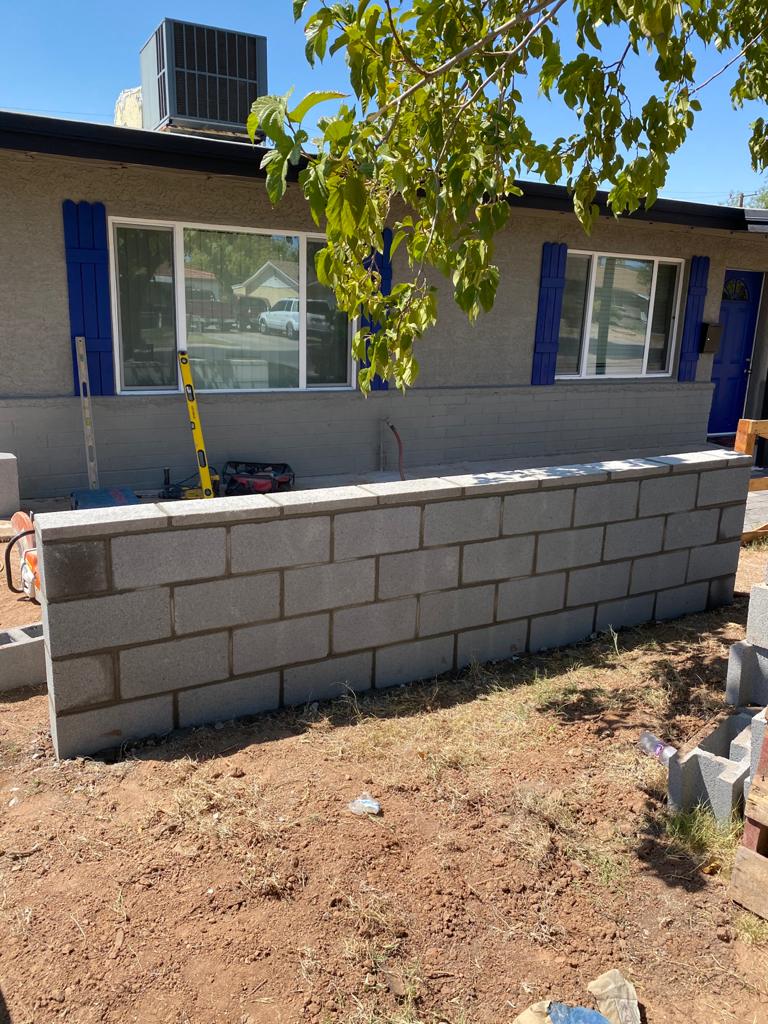
Not all CMU block is the same. Standard (or "stretcher") block is the workhorse used for most straight wall runs. Corner block has a flat, finished end for clean wall corners. Cap block sits on top of a wall to seal the hollow cores and shed water. And split-face or slump block adds texture for a more decorative, upscale look. We help homeowners choose the right combination of block types based on the wall's purpose, budget, and the look they're going for.
Why CMU Block Is the Right Choice in Arizona
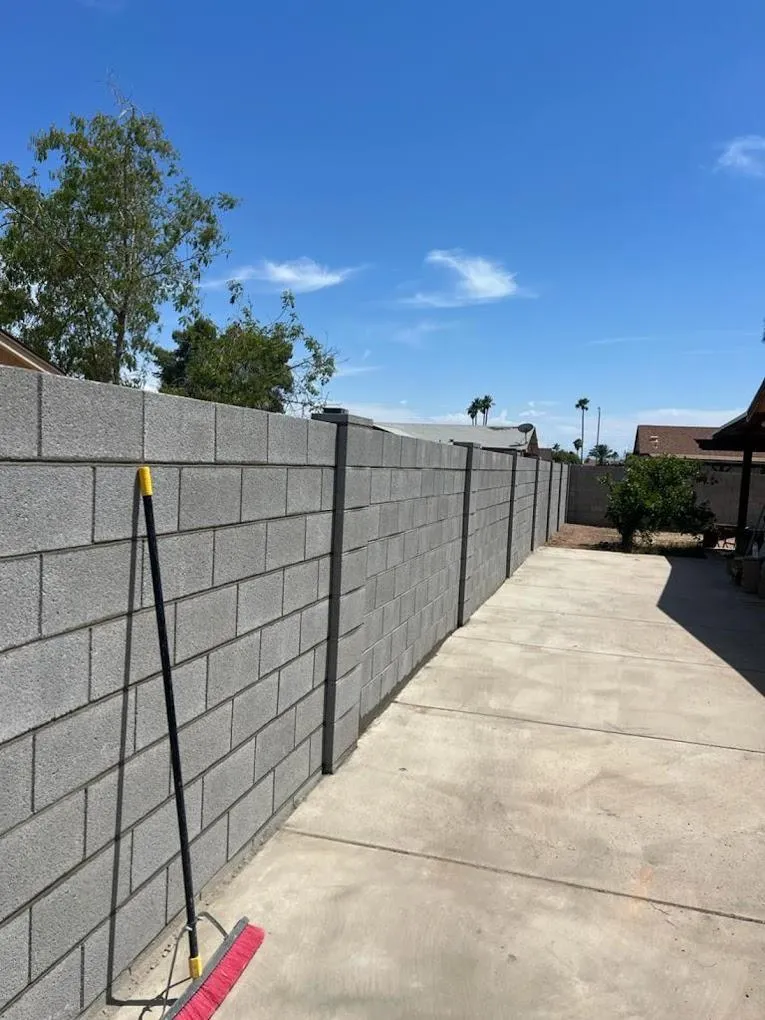
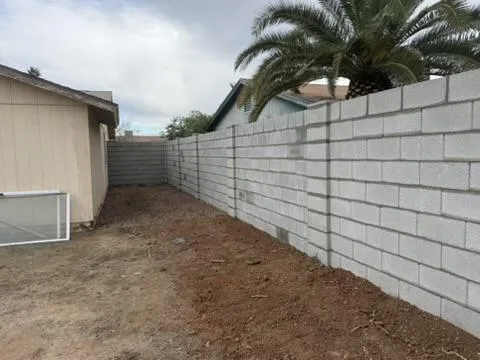
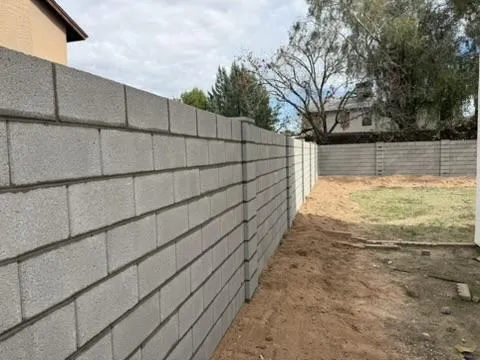
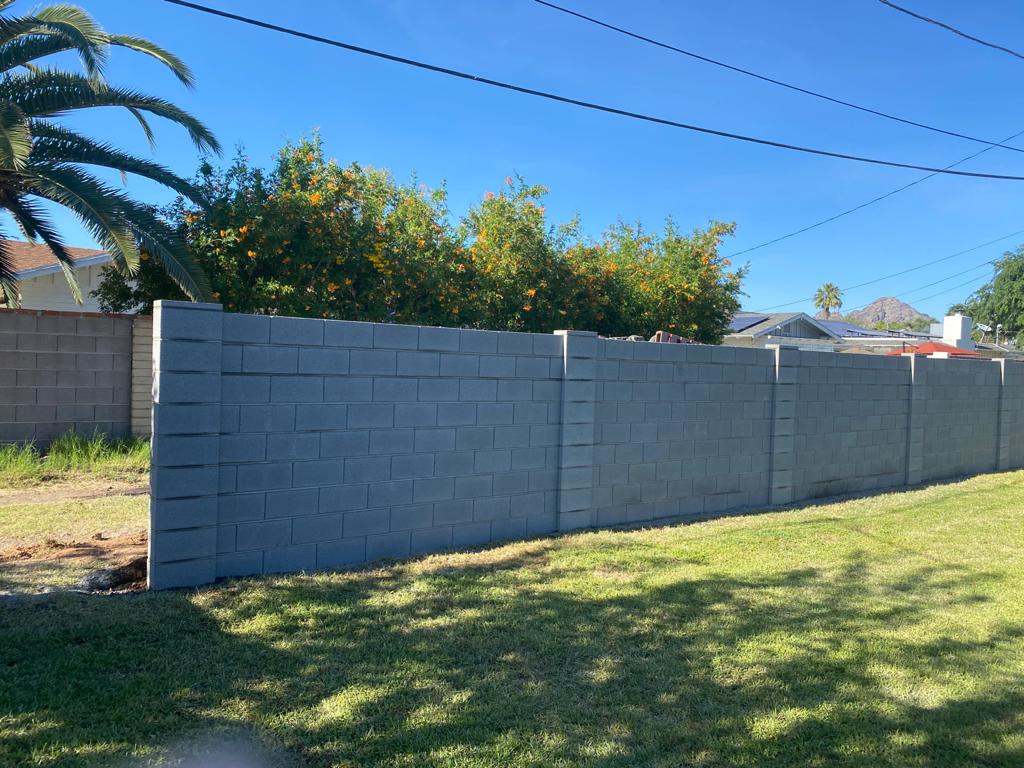
Concrete masonry is a common choice for Phoenix-area residential walls because it can provide privacy, a substantial appearance, and design flexibility. The right block width, footing, reinforcement, drainage details, finish, and wall height depend on the property, intended use, engineering needs, and applicable local requirements.

You Reach Out
Looking for block wall services in Maricopa County? We're here to help. Give us a call to schedule an assessment for your home improvement needs.

We Estimate
We’ll arrive on time, provide a straightforward evaluation, and offer a detailed estimate so you can make an informed decision about your project.

Done!
Once you agree to the estimate, we’ll get you on the schedule right away. Sit back, relax, and let us get to work and complete your concrete project.
CMU Block Dimensions & Standard Sizes
CMU sizes are commonly listed as nominal width × height × length and include a typical 3/8-inch mortar joint. Common examples are: 4-inch CMU—nominal 4 × 8 × 16 inches, actual approximately 3-5/8 × 7-5/8 × 15-5/8 inches; 6-inch CMU—nominal 6 × 8 × 16, actual approximately 5-5/8 × 7-5/8 × 15-5/8; 8-inch CMU—nominal 8 × 8 × 16, actual approximately 7-5/8 × 7-5/8 × 15-5/8; 10-inch CMU—nominal 10 × 8 × 16, actual approximately 9-5/8 × 7-5/8 × 15-5/8; and 12-inch CMU—nominal 12 × 8 × 16, actual approximately 11-5/8 × 7-5/8 × 15-5/8. Product dimensions and available shapes can vary, so final selections should be confirmed with the manufacturer and project design.
Decorative & Finished CMU Options
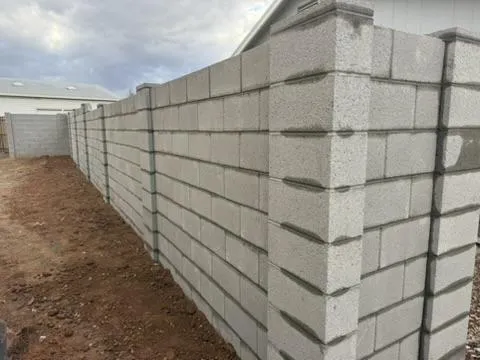
CMU walls can be planned with standard block, split-face or other architectural units, caps, and compatible finish systems. Stucco can create a more uniform exterior appearance, while textured masonry units can provide a finished look without covering the block face. Availability, color, texture, and finish compatibility should be confirmed for the selected product and wall design.
CMU Block vs. Other Fencing Materials
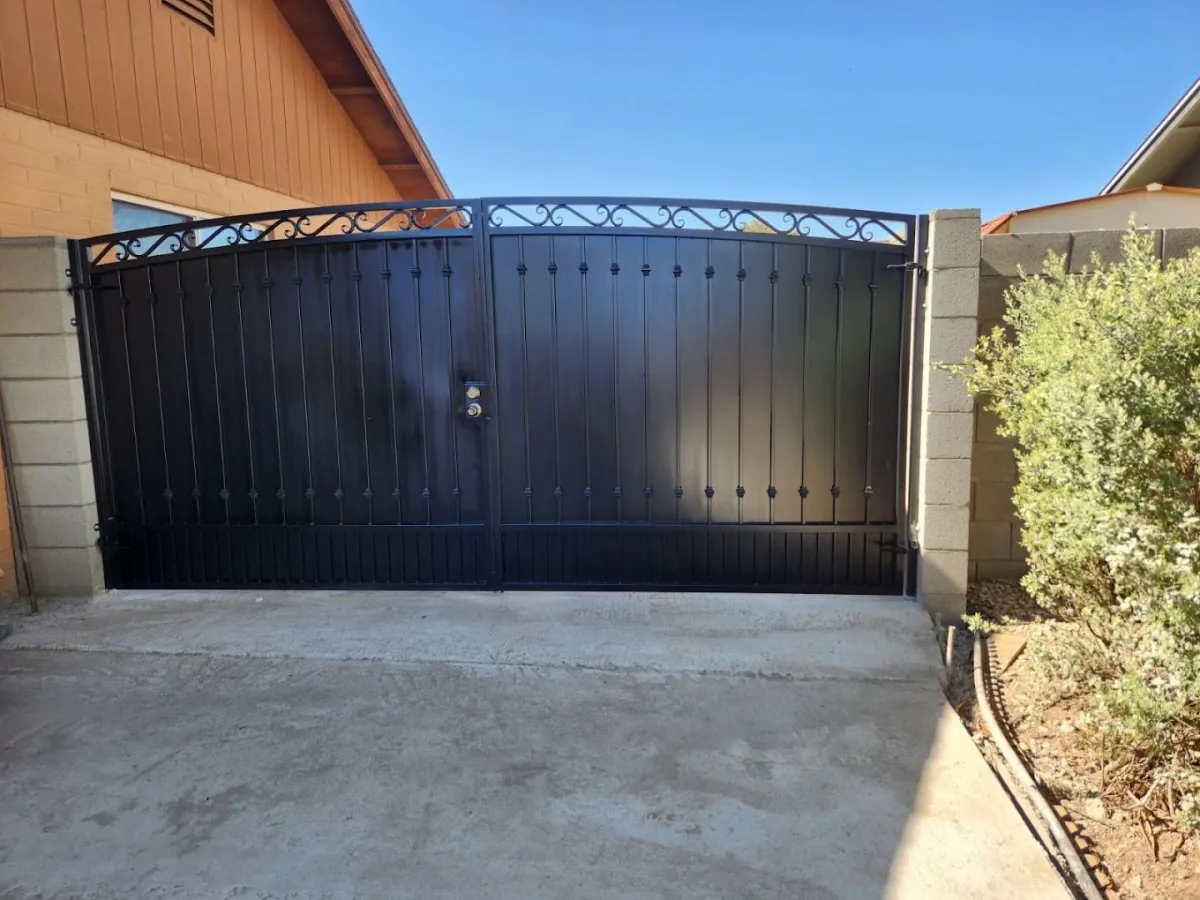
CMU, wood, and vinyl create different types of residential boundaries. Concrete masonry can provide a solid visual barrier and a substantial finished appearance. Wood and vinyl may suit projects that prioritize a lighter system, different styling, or a lower initial scope. Cost, maintenance, site conditions, height, privacy, and local requirements should all be compared before choosing a material.
How a CMU Block Wall Is Built
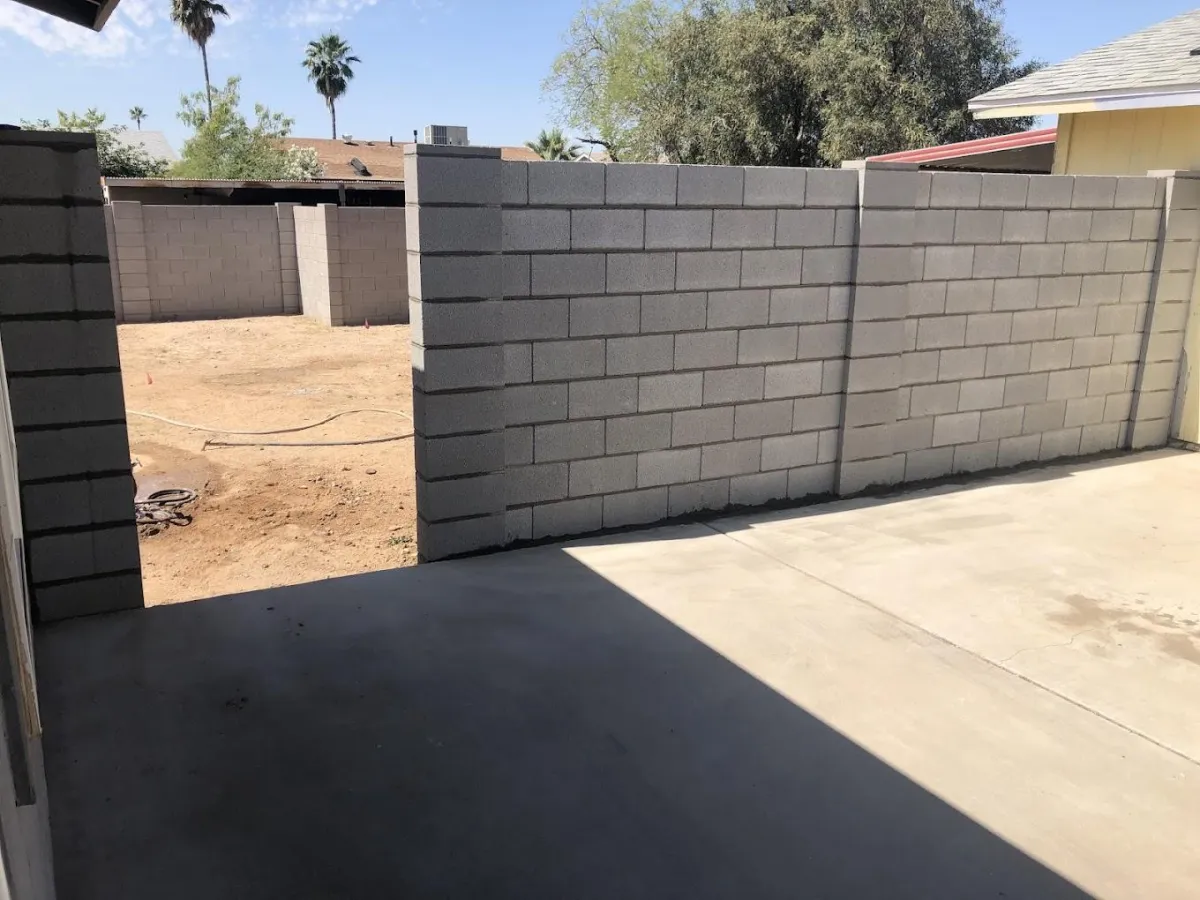
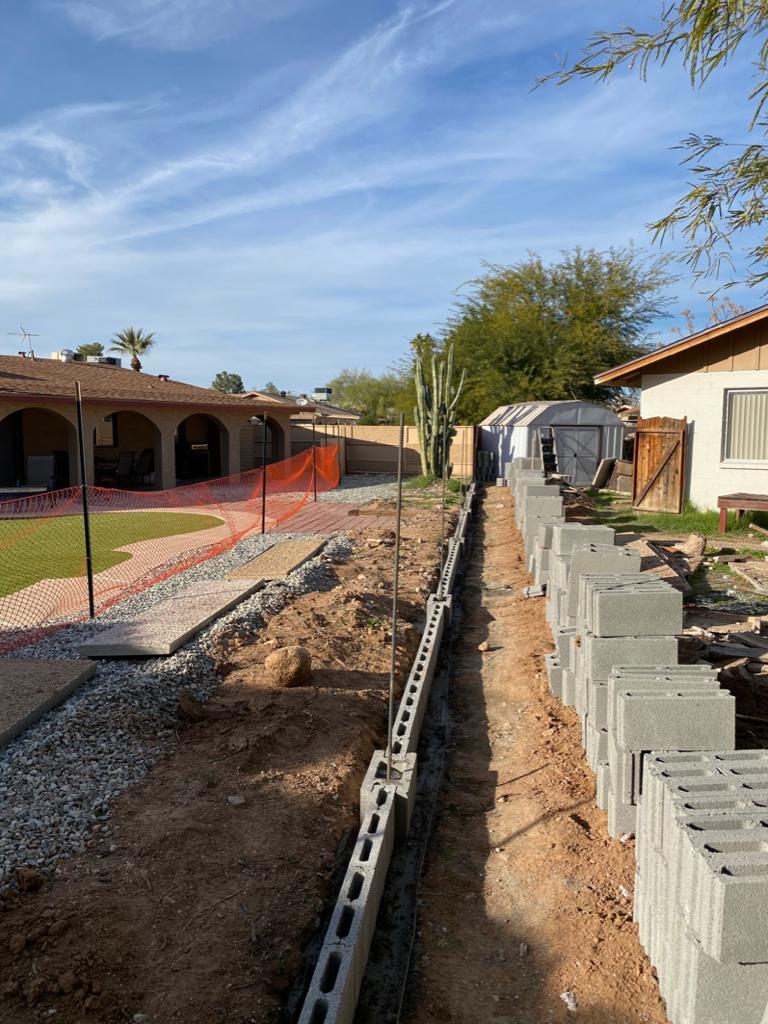
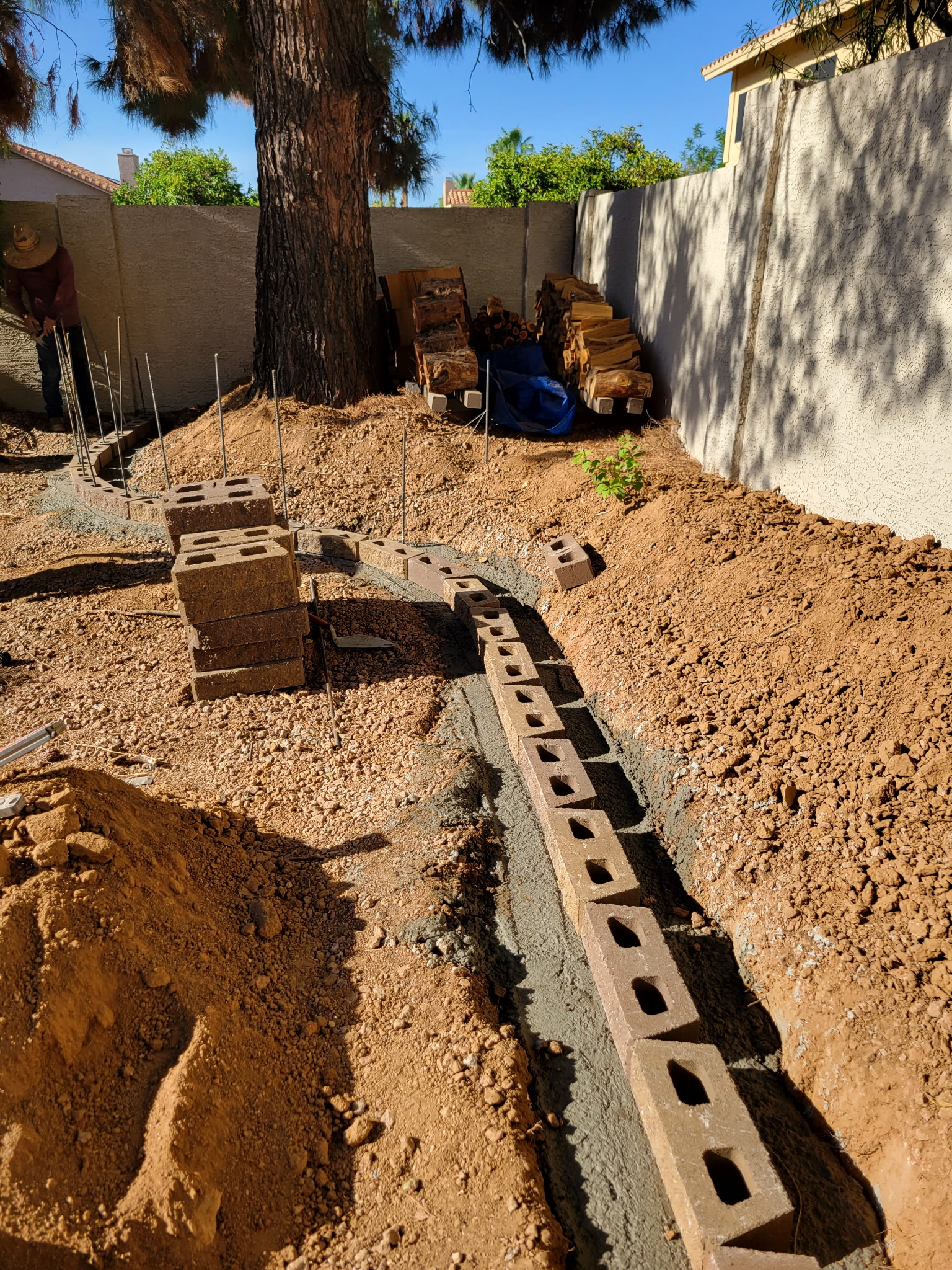
A CMU wall is planned around the wall location, height, site conditions, footing, reinforcement, openings, drainage, and finish. Concrete masonry units are laid in courses with mortar, and reinforcement or grout is added where the approved design requires it. Footing and reinforcement details should follow the project design and applicable local requirements rather than a one-size-fits-all specification.
Maintaining a CMU Block Wall
Routine CMU wall care can include cleaning dirt from the surface, checking joints and finishes, and watching for drainage problems. Small cosmetic cracks and finish damage are different from leaning, separation, or movement. Structural movement should be evaluated before repairs are selected because the visible crack may not identify the underlying cause.
Frequently Asked Questions
What does CMU stand for?
CMU stands for concrete masonry unit - the standard term for the concrete blocks used to build block wall fences, retaining walls, and foundations. It's often called cinder block or concrete block by homeowners.
What is the standard size of a CMU block?
The most common CMU block size is a nominal 8x8x16 inches, though the actual block measures about 7-5/8 x 7-5/8 x 15-5/8 inches to leave room for a 3/8-inch mortar joint. 4-inch and 6-inch blocks are also common for lighter-duty walls.
Is CMU block the same as a cinder block?
CMU and cinder block are often used interchangeably in everyday conversation. Modern concrete masonry units are manufactured from cementitious materials and aggregates, and many have hollow cores. Product composition, dimensions, and uses vary by manufacturer, so the selected unit should be confirmed for the project.
What's the difference between standard, split-face, and cap block?
Standard block has a smooth finish and is used for most wall runs. Split-face block has a rough, textured face for a more decorative look straight out of the mold. Cap block sits on top of the wall to seal the hollow cores and shed water, giving the wall a finished edge.
How much does a CMU block wall cost in Phoenix?
Cost depends on wall height, block size, finish, and site conditions like soil and access. Contact us for a free, on-site estimate - we'll give you an accurate number based on your specific project, not a generic per-foot guess.
Can a CMU block wall be stuccoed or painted?
Compatible stucco or coating systems can be used on many CMU walls when the surface and product requirements are followed. Residential stucco installation may be included in the project scope. Painting is only included when it is specifically listed in the written estimate.
How long does a CMU block wall last?
No single lifespan applies to every CMU wall. Long-term performance depends on the footing, reinforcement, materials, workmanship, drainage, soil movement, exposure, maintenance, and repair of developing problems.
Do I need a permit to build a CMU block wall in Maricopa County?
Permit requirements depend on the wall’s location, height, and the city or jurisdiction reviewing the project. Before construction, homeowners should confirm the current requirements for their property. Permit coordination can be added to the written project scope when requested.
Phoenix Block Wall Fence
Phone: (480) 960-9477
Email: [email protected]
Address: Phoenix, AZ
Hours: Mon–Sat, 7:00 AM – 5:00 PM | Sun, Closed
Service Areas:
Phoenix, AZ
Glendale, AZ
Mesa, AZ
Chandler, AZ
Gilbert, AZ
Sun City, AZ
Scottsdale, AZ
... and the greater Maricopa County, Arizona area
© Copyright 2026 All Rights Reserved | Privacy Policy | Terms of Service | Sitemap | Disclaimer